What Does Heavy Equipment Rigging Actually Include? A Cedar Rapids Industry Guide
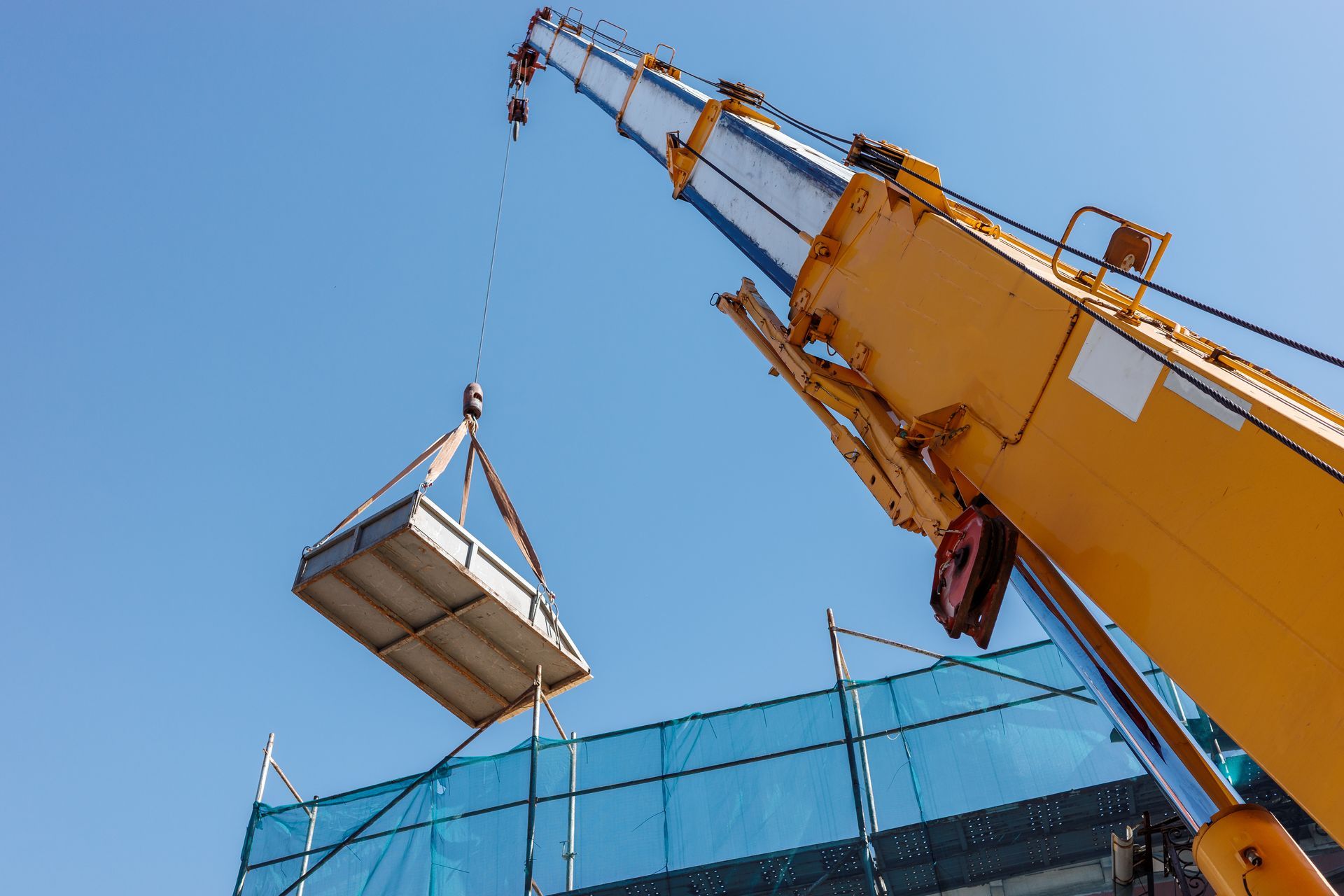
Heavy equipment rigging is a specialized process for safely lifting, moving, and placing large industrial machinery. This guide covers what it actually involves for manufacturers, food processors, aerospace suppliers, and other industrial businesses serving Cedar Rapids, IA.
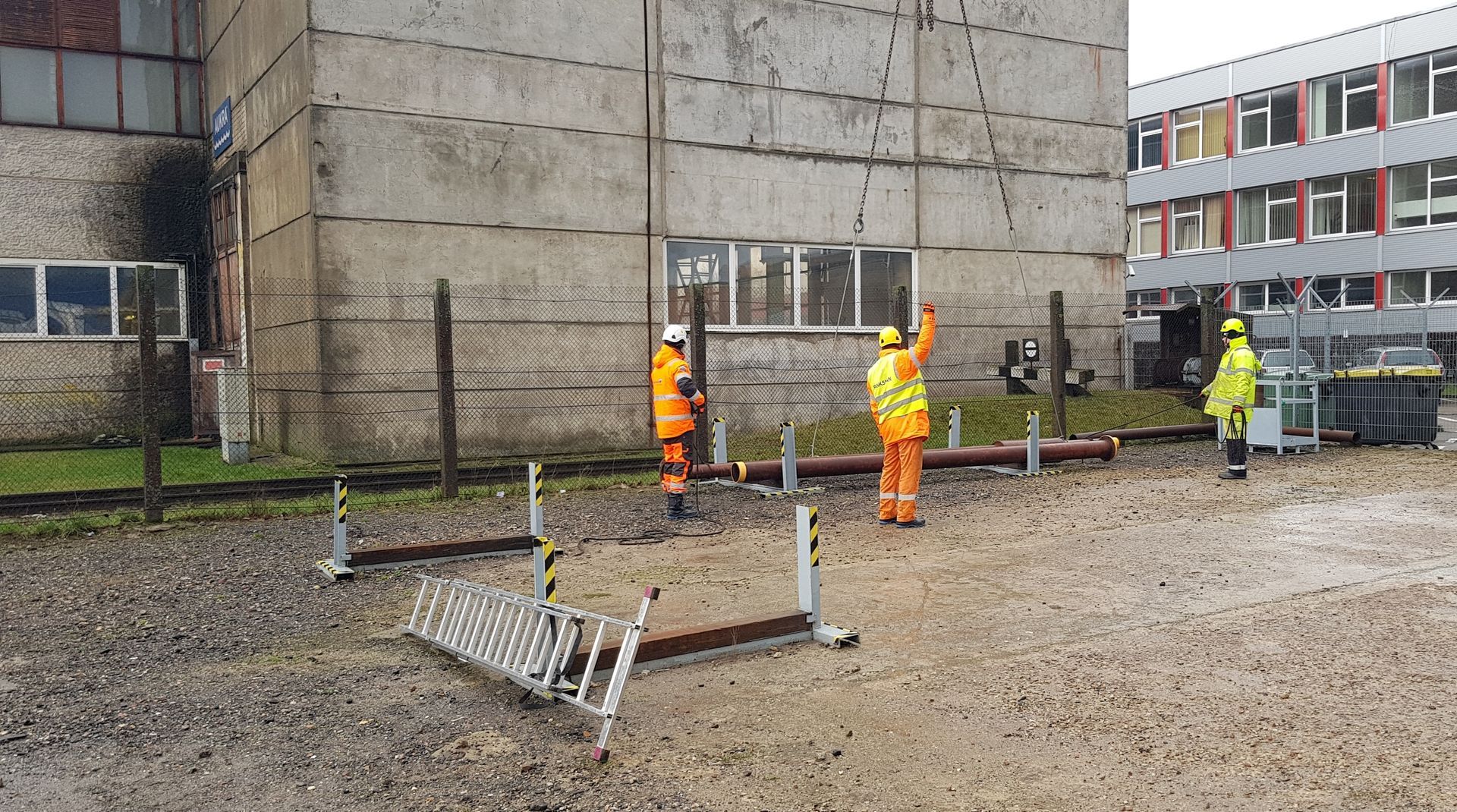
Rigging is not simply hooking a load to a crane and pulling. It is a planned, equipment-specific process combining skilled labor, rated hardware, and strict safety standards to move machines that often weigh tens of thousands of pounds. Understanding what heavy equipment rigging includes helps facility managers choose the right contractor, plan downtime accurately, and protect equipment from damage.
What Does Heavy Equipment Rigging Actually Mean?
Heavy equipment rigging is the complete system of hardware, planning, and skilled labor used to lift and move large machinery safely. It covers every step from assessing the load to setting the machine in its final position. Rigging work may involve load engineering, hardware selection, lift planning, and final alignment.
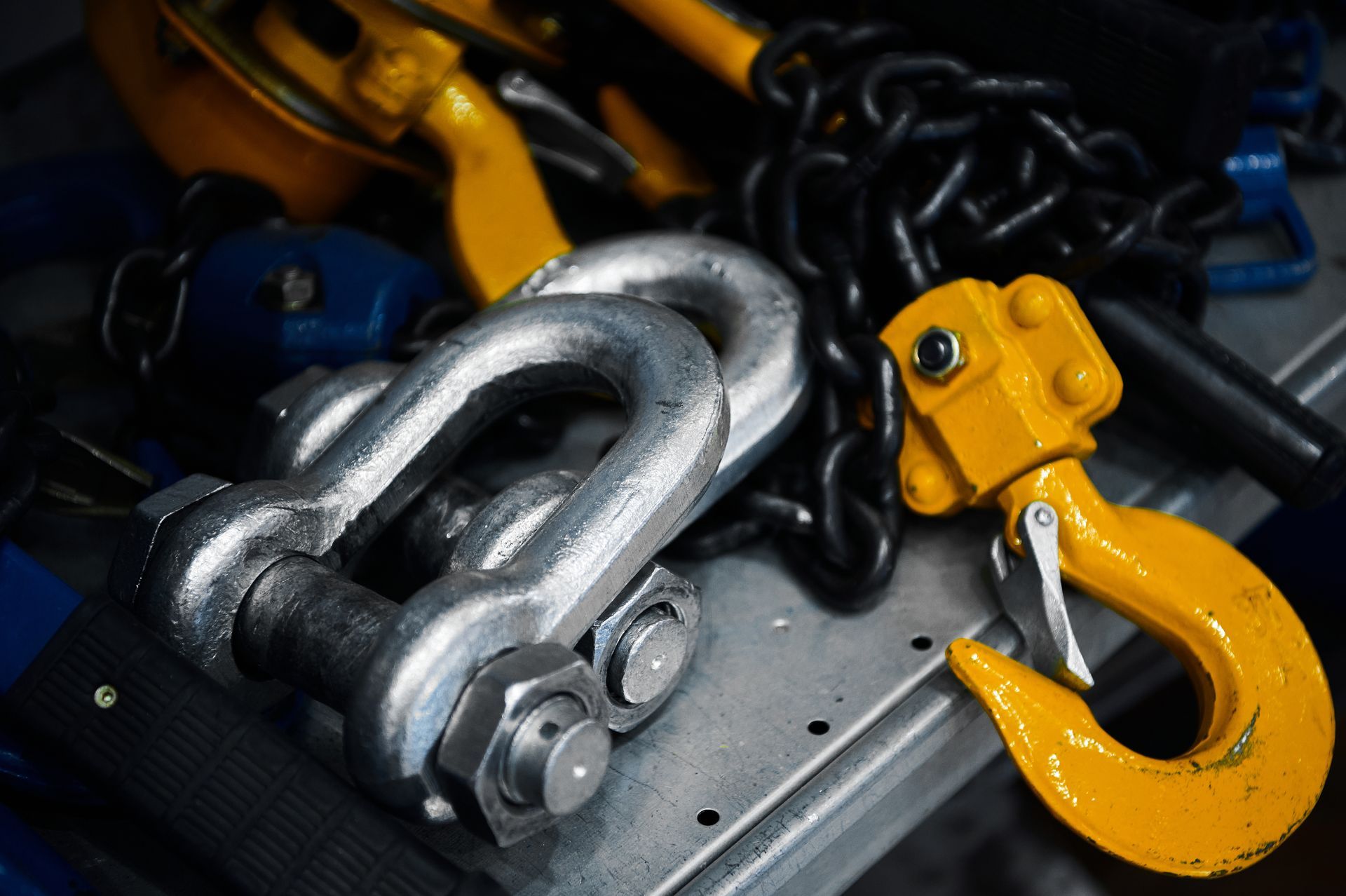
The term comes from the industrial practice of connecting a load to a crane or hoist using slings, shackles, hooks, and supporting hardware. Each piece carries a rated capacity, and the assembly is only as strong as its weakest component. That is why qualified riggers treat hardware selection and load math as critical steps, not afterthoughts.
For Cedar Rapids operations, heavy equipment rigging often involves moving CNC machining centers, food processing lines, press equipment, and aerospace manufacturing tools. The Iowa Corridor supports a dense mix of food manufacturing, general manufacturing, aerospace, and pharmaceutical businesses, all of which regularly commission machinery moves as they expand, upgrade, or relocate.
What Types of Lifts and Moves Does Rigging Include?
Rigging can range from a single-machine relocation inside a plant to a complete facility teardown and rebuild. Common project types include machinery installation, intra-plant repositioning, plant relocation, and auction pickup and delivery.
Precision placement is one of the most demanding move types. When a machine must land on anchor bolts or align with existing utility connections, the rigger must control final position within fractions of an inch. Gantry systems, hydraulic toe jacks, and machinery skates are often used for this kind of controlled interior movement.
Plant relocation jobs may involve disconnecting multiple machines, loading them onto flatbed trailers, transporting them across the state, and reassembling the production line at a new facility. Manufacturing plants along Cedar Rapids' industrial corridors near areas like 6th Street SW and 60th Avenue SW often require this full-service approach.
Equipment Used in a Rigging Operation
Slings
Wire rope slings handle heavy industrial lifts where loads may have sharp or rough surfaces. Synthetic web slings made from nylon or polyester are lighter and less likely to scratch finished surfaces, making them a common choice for machine tool moves. Chain slings offer durability and adjustability for irregular loads.
Spreader Bars and Lifting Beams
A spreader bar keeps sling legs separated during a lift, reducing inward force on the load. This matters when moving long or fragile equipment like press brakes, laser cutters, or processing tanks. Lifting beams connect at a single upper pick point with multiple lower attachment locations, which helps manage unbalanced loads.
Cranes, Gantries, and Forklifts
Cranes handle the heavy end of the lifting spectrum. For moves inside buildings with limited overhead clearance, portable gantry systems may be used instead. High-capacity forklifts, sometimes reaching 80,000 pounds in the case of specialized rigger models, can move large machines efficiently across a plant floor. The right equipment depends on load weight, floor conditions, ceiling height, and available entry points.
Industries in Cedar Rapids That Rely on Rigging
Cedar Rapids is home to a broad mix of industries that regularly need rigging services. Food manufacturing operations may need to move large mixing, processing, or packaging equipment when lines change. Aerospace and defense suppliers connected to Collins Aerospace require precise handling of sensitive manufacturing equipment. Pharmaceutical and chemical facilities need careful moves to avoid damaging precision process systems.
Steel fabrication shops, general manufacturers, and tool-and-die operations throughout the city also generate steady demand. When a Cedar Rapids manufacturer installs a new press or CNC machine, a qualified heavy equipment rigging crew is typically involved from unloading the delivery truck through final bolt-down and alignment.
Safety Standards Riggers Must Follow
Riggers are required to follow federal OSHA standards for every commercial lifting operation. OSHA 29 CFR 1910.184 governs slings and rigging in general industry, and OSHA 29 CFR 1926.251 governs rigging equipment for material handling in construction. Both are enforceable requirements. Rigging equipment must be inspected before each shift, and defective gear must be removed from service immediately.
OSHA also requires a qualified rigger any time workers are in a fall zone or are hooking and unhooking a load. Qualification is based on demonstrated ability and experience, holding individual riggers personally accountable for knowing the limits of the equipment they use.
ASME B30 standards govern how hardware is rated, marked, and inspected, covering slings, hooks, spreader bars, and shackles. A reputable heavy equipment rigging contractor carries current insurance, including Inland Marine Riggers coverage, and can provide documentation of their safety program and inspection practices.
Ready to Plan Your Next Machinery Move Serving Cedar Rapids?
When industrial operations in Cedar Rapids, IA, need a trusted rigging partner, they need a crew that understands the full scope of the work. BW Contractors, Inc. serves Cedar Rapids and the broader Eastern Iowa region with machinery moving, rigging, gantry and lift services, and industrial maintenance. The team is fully insured, holds Inland Marine Riggers coverage, and has been a proud member of the Specialized Carriers & Rigging Association since 1996. Forklifts range from 3,000 pounds up to an 80,000-pound Rigger Special.
To discuss a single machine move or a full plant relocation, call
(319) 987-2070 or reach out through the
contact page to get started. For more information on what a qualified rigger should bring to your project, visit the
riggers service page.