Can You Do DIY Rigging on a Machine Move? Risks in Cedar Rapids
Rigging a machine move in Cedar Rapids, IA, can look simple when the machine is small and the path seems clear. Many owners consider moving equipment with a forklift, a tow truck, or a few helpers. This article explains the risks of doing that work yourself, when a simpler method may be enough, and when a professional rigging crew is the safer choice.
What Makes a Machine Move Risky?
A machine move becomes risky when its weight, balance, or access is not fully understood. Each of these factors can change the outcome of a lift.
- The listed weight may not include attachments, fluids, or built-in components.
- The center of gravity can shift as the machine is tilted or raised.
- The floor may not support the load at the points where it rests.
- Doorways, stairs, and overhead lines can limit the path.
Load, Balance, and the Lift Plan
Every lift starts with the load, its balance, and the path it will travel. A written lift plan records these details before anyone attaches a sling. Without a plan, a crew may discover a problem mid-lift, when options are limited and the load is already off the floor.
Balance deserves close attention. A machine that looks stable on its base can tip once it is lifted by one corner. Rigging crews place the lifting points so that the load stays level through the whole move.
Why Balance Matters More Than Weight
Weight tells you whether equipment can be lifted at all. Balance tells you how it will behave once it leaves the floor. Two machines with the same weight can require very different rigging because one is top-heavy and the other is low and wide.
Floor Load and Site Conditions
Floors and foundations must carry the load at the points where it rests. A machine that fits through a doorway may still damage a slab if its weight concentrates on small feet or a narrow base. Before a move, the floor's rated capacity and any underground utilities or basement spaces should be checked.
Site conditions also change the plan. Uneven ground, wet surfaces, and limited room for staging can each make a simple move harder than it looks. Facilities across Cedar Rapids, Cedar Falls, and the wider Eastern Iowa region often have older floors, tight loading areas, or shared access routes, so a site review is worth the time.
Why a Forklift or Tow Truck Is Not a Substitute
A forklift or tow truck can move some items, but it is not designed for every lift. A forklift has a rated capacity that drops as the load moves farther from the mast, so a heavy machine held out in front may exceed what the truck can safely handle. A tow truck is built to pull, not to lift and set equipment with precision.
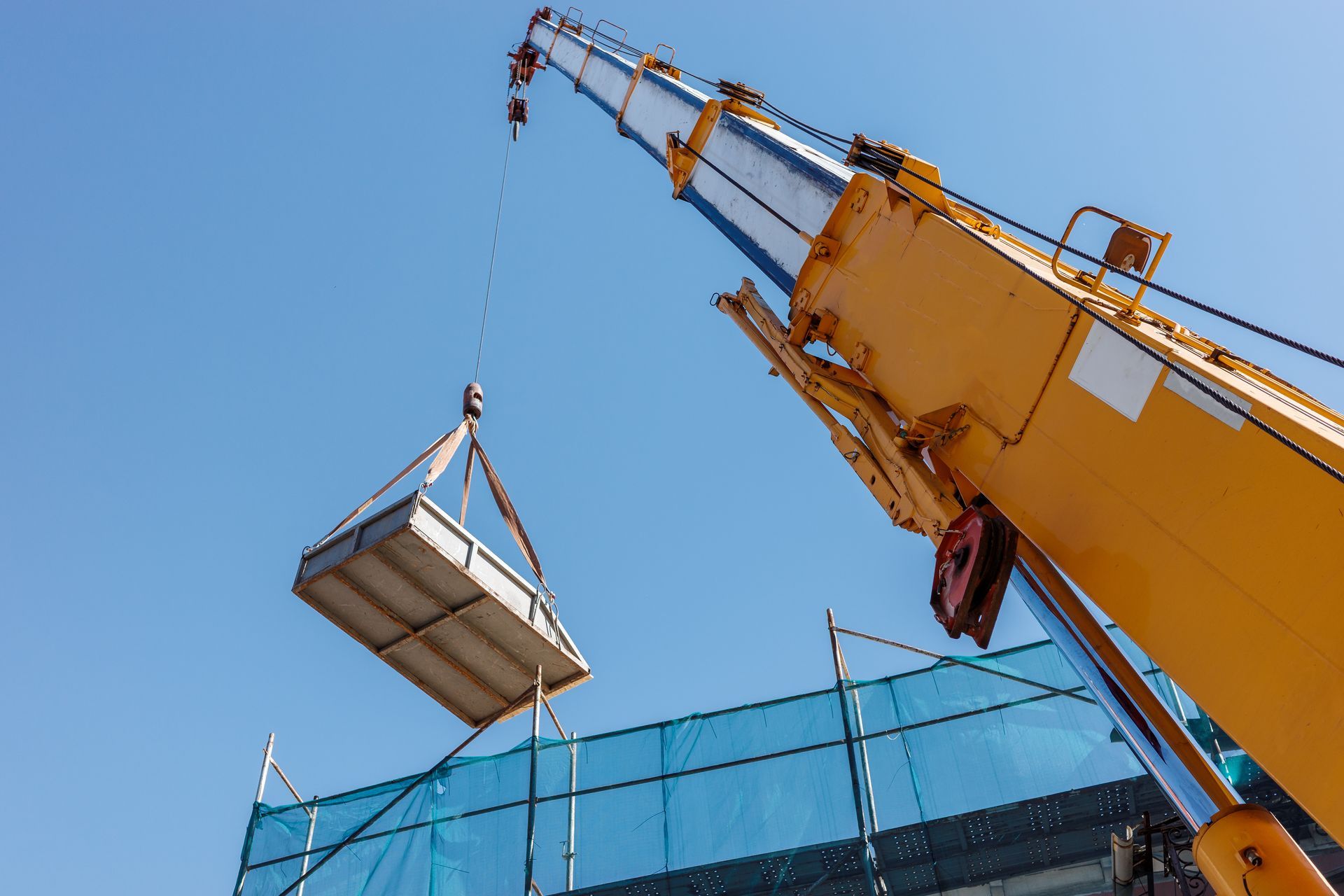
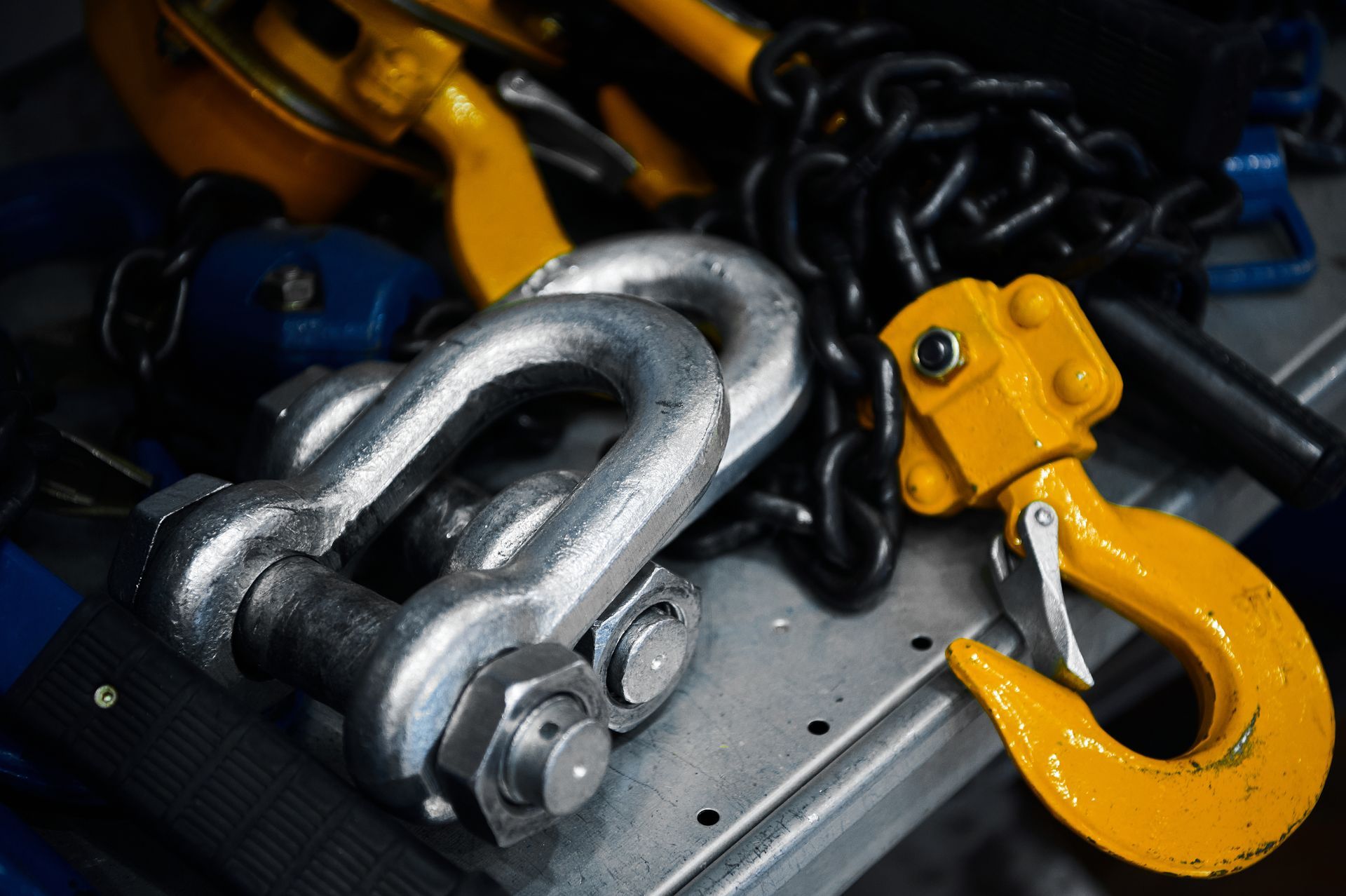
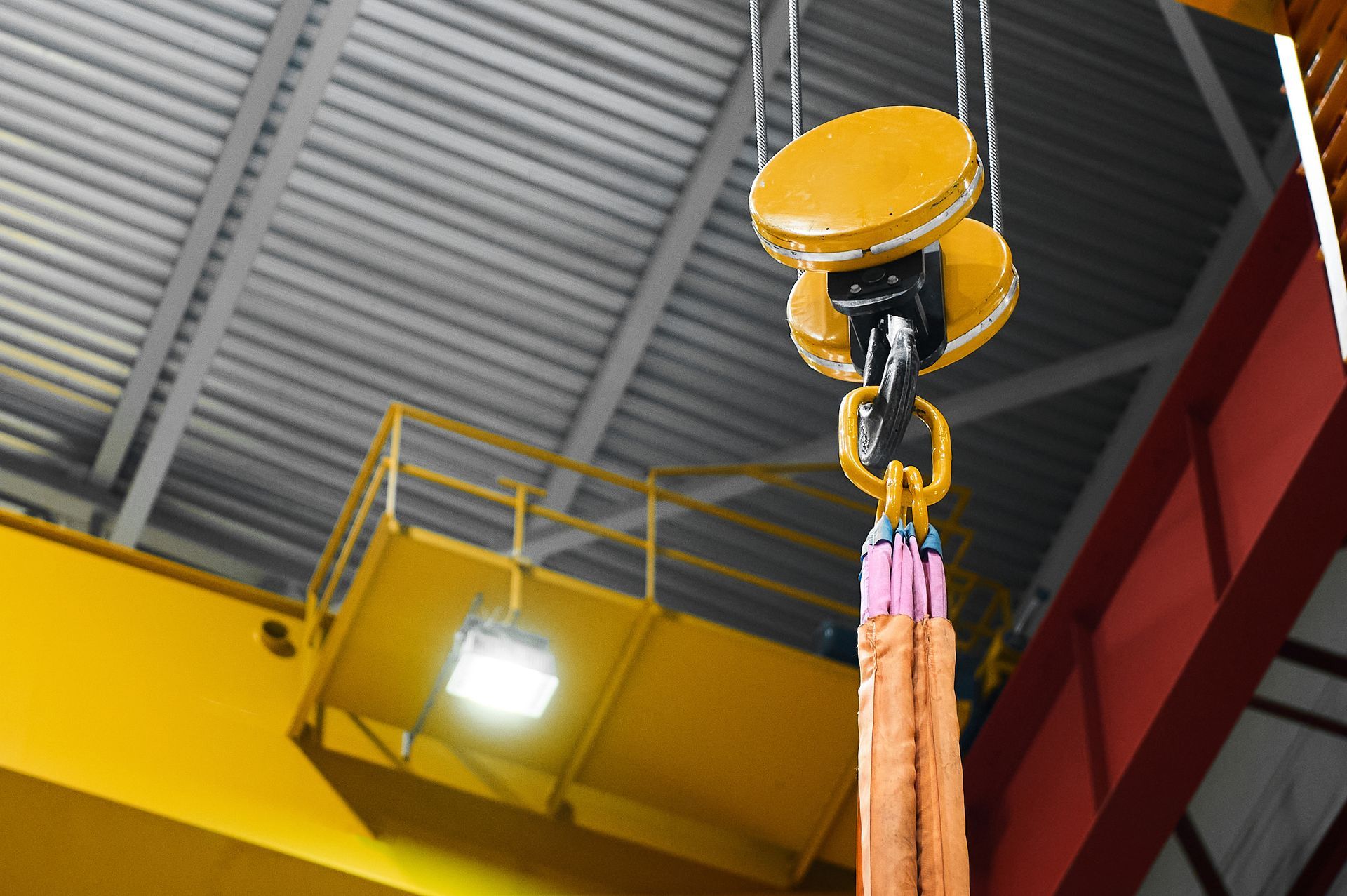
Control is another concern. Rigging crews use slings, hooks, shackles, and spreader bars to hold a load steady. Those tools keep the machine from swinging, rolling, or sliding during the move. A makeshift setup with chains or straps may not offer the same control.
When a Simpler Method May Be Enough
Some small, light, and sturdy items can be moved without a full professional crew. The honest answer depends on the equipment and the setting. Simpler methods are more likely to be appropriate when the following conditions apply:
- The item is light, compact, and has built-in handles or lifting points.
- The path is clear, level, and rated for the load.
- The manufacturer lists safe handling steps for moving the equipment.
Even in these cases, a careful plan and proper protective equipment still matter. If any of the three conditions is missing, a professional approach is usually the better choice.
Common DIY Mistakes to Avoid
Most unplanned moves go wrong for a few predictable reasons. Knowing them can help owners decide what to leave to a professional.
Using Undersized or Damaged Straps
Straps, chains, and slings have rated capacities that depend on their size, condition, and angle. Using a strap rated for less than the load, or one with frayed edges, is a common cause of failed lifts. Angles also matter, because a sling can carry much less weight when its legs spread wide.
Skipping Disconnection and Preparation Steps
Power, air, coolant, and other lines must be disconnected before a machine is moved. Those tasks are often handled by a licensed trade professional. Cutting corners here can damage the machine or create a safety hazard for the people nearby.
Lifting Without a Trained Signal Person
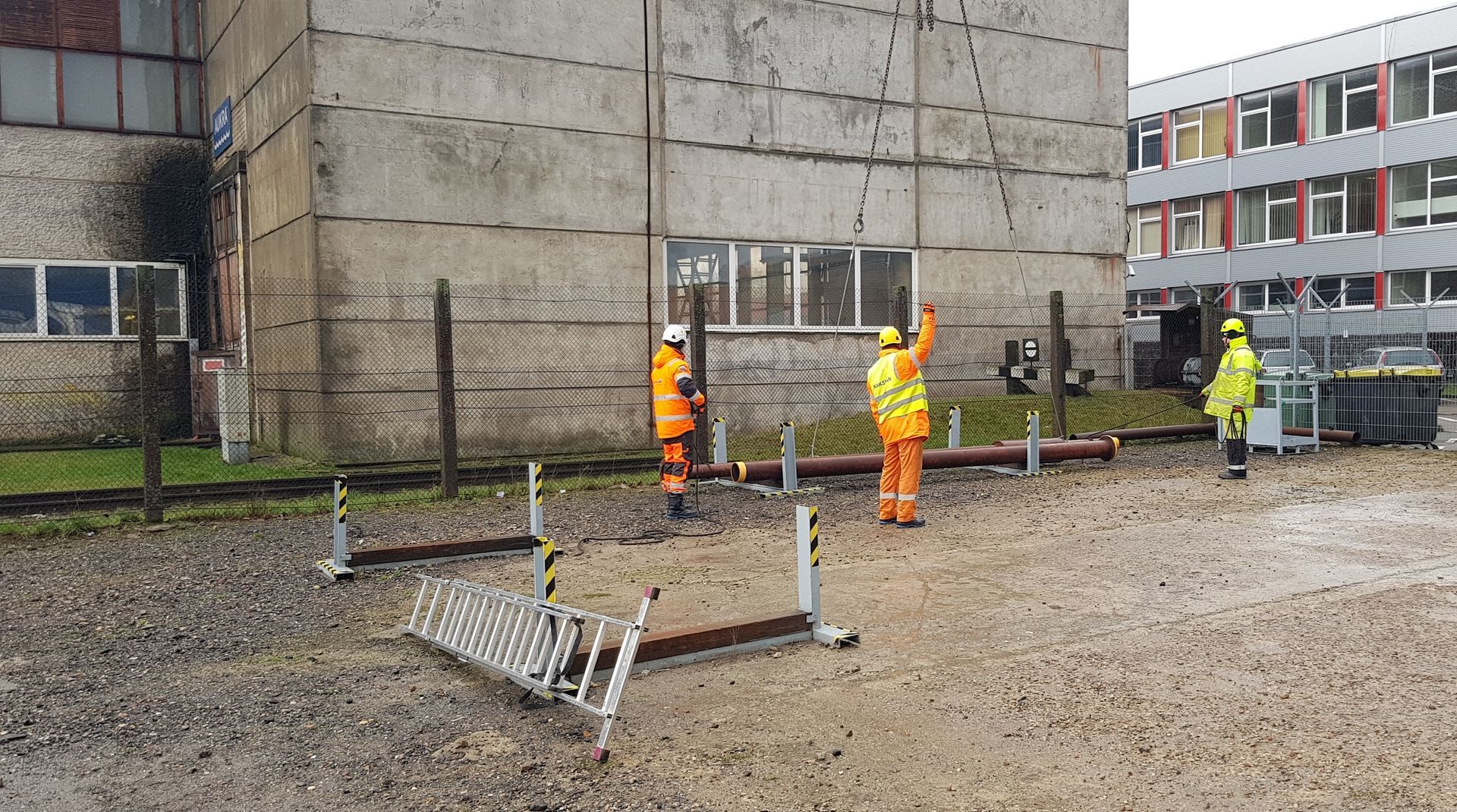
Many lifts need one person directing the crew while another controls the load. Without a clear signal, operators can misread movements, and the load can shift in unexpected ways. A trained signal person helps keep the lift coordinated.
When to Call a Professional Crew
Call a professional rigging crew when the load, height, floor, or access is in doubt. A crew can assess these factors on site, build the lift plan, and bring the right equipment for the job. For expensive or irreplaceable machinery, professional handling can also protect the value of the asset.
Professional crews also bring experience from many similar moves. Owners should still ask for proof of coverage and references before any work begins, and they should compare more than one quote.
Plan Your Machine Move With Experienced Help
BW Contractors, Inc. has provided machinery moving and rigging since 1992. The team serves Cedar Rapids, IA, from its base in Cedar Falls, IA, and every job starts with a review of the load, floor, and access. The crew is fully insured, which gives facility managers added confidence on sensitive moves. To review your project, visit the
heavy equipment rigging page
or
contact the team
directly. Call
(319) 987-2070
to schedule a site assessment.